

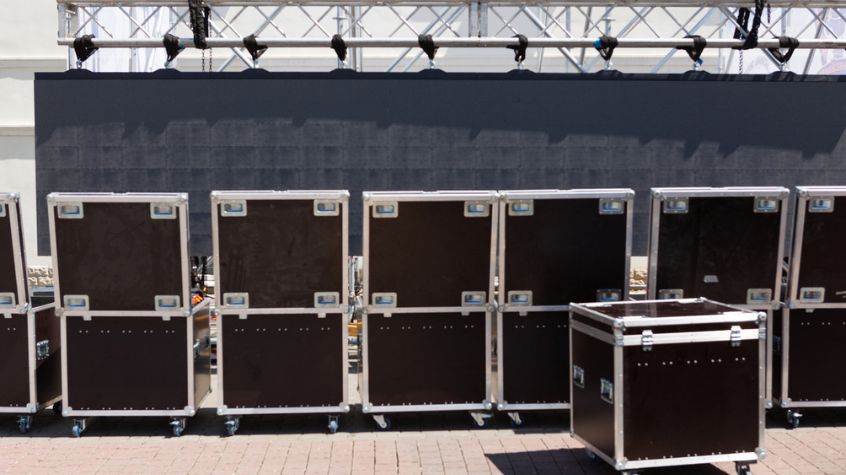
Investing in protective equipment cases is more than an operational decision. It can also carry meaningful tax advantages. If your business purchases custom hard cases, soft cases, or shipping cases to protect valuable tools, electronics, or machinery, those purchases may qualify for accelerated depreciation. In some situations, they may even be eligible for 100% first-year depreciation under federal tax law.
Here is what businesses need to know about qualified property depreciation, Section 179, bonus depreciation in 2026, and how equipment cases may fit into your capital equipment tax deduction strategy.
What Is 100% First-Year Depreciation?
100% first year depreciation allows businesses to deduct the full cost of certain tangible business assets in the year they are placed into service, rather than depreciating them over several years.
This accelerated method has historically been available through bonus depreciation and the Section 179 equipment deduction. However, bonus depreciation has been phasing down in recent years. For current percentage limits and eligibility rules, refer to the IRS guidance in Publication 946 (2024), How To Depreciate Property – IRS.
Understanding how depreciating business equipment works is critical before making large purchases.
Do Equipment Cases Qualify as Depreciable Property?
Yes, in many situations, equipment cases qualify as depreciable property.
To be eligible for tangible business assets depreciation, property must:
- Be owned by the business
- Be used in a trade or business
- Have a determinable useful life
- Have a recovery period of 20 years or less
Most equipment cases used to transport, store, or protect business assets fall into the category of tangible personal property. That typically places them within a recovery period of 20 years or less, making them eligible for accelerated depreciation under Section 179 or bonus depreciation rules.
If your company purchases custom protective cases to transport tools, audiovisual equipment, medical devices, firearms, military gear, or industrial components, those cases may qualify as depreciating business equipment.
Can Equipment Cases Qualify for the Section 179 Equipment Deduction?
In many cases, yes.
The Section 179 equipment deduction allows businesses to expense qualifying property in the year it is placed into service, subject to annual limits. Equipment cases used in active business operations may qualify because they are considered tangible personal property.
For example:
- A construction company buying protective cases for surveying equipment
- A production company purchasing custom hard cases for cameras and lighting
- A medical provider investing in custom soft cases for mobile diagnostic tools
If those cases are ordinary and necessary for the business, they may qualify for an equipment case tax write-off under Section 179.
How Does Bonus Depreciation in 2026 Affect Equipment Purchases?
Bonus depreciation has been gradually decreasing after previously allowing 100% first year depreciation.
Under current law, the allowable percentage is phasing down annually. Businesses planning large capital equipment tax deductions should confirm the applicable rate for the year the equipment is placed in service.
If equipment cases meet the definition of qualified property depreciation and have a recovery period of 20 years or less, they may still qualify for bonus depreciation at the applicable percentage.
Timing matters. The deduction applies in the year the asset is placed into service, not simply when it is purchased.
Are Custom Equipment Cases Considered Capital Equipment?

Generally, yes.
When businesses purchase durable protective cases designed for long-term use, they are typically treated as capital equipment rather than routine supplies. That means the cost is capitalized and depreciated unless Section 179 or bonus depreciation is elected.
For example, businesses investing in:
- Custom Hard Cases
- Custom Soft Cases
- Protective transport cases from the full Cases catalog
may be able to treat those purchases as capital equipment eligible for business equipment investment tax benefits.
What Factors Determine Eligibility?
Whether an equipment case qualifies for 100% first year depreciation depends on several factors:
- Business Use: The case must be used primarily for business purposes.
- Useful Life: It must have a determinable useful life and fall within a recovery period of 20 years or less.
- Placed in Service: The asset must be operational and in use during the tax year.
- New or Used Property: Under recent rules, both new and certain used property can qualify, but eligibility depends on specific IRS requirements.
Because tax rules evolve, businesses should consult a tax professional to determine eligibility for Section 179 equipment deduction or bonus depreciation 2026 planning.
Why Equipment Cases Matter for Tax Strategy
Protective cases are often overlooked in tax planning discussions. However, they serve a critical operational role across industries.
Companies in aerospace, defense, healthcare, entertainment, manufacturing, and field services rely on rugged transport cases to protect high-value assets. Learn more about the Industries We Serve and how specialized cases support mission-critical equipment.
Investing in high-quality cases not only protects equipment but may also create meaningful capital equipment tax deduction opportunities.
If you are evaluating options, you may find these resources helpful:
- Hard Cases vs. Soft Cases: Which Is Right for Your Equipment?
- What to Look for in a High-Quality Shipping Case with Wheels
About Case Design Corporation
Case Design Corporation specializes in engineered protective packaging solutions for demanding industries. Learn more on our About page.
FAQ: Equipment Case Tax Write-Off
They may be, depending on whether they qualify under Section 179 or bonus depreciation rules and meet IRS criteria for tangible business assets depreciation.
Most equipment cases fall within a recovery period of 20 years or less, making them potentially eligible for accelerated depreciation.
In many situations, yes. However, eligibility depends on specific IRS rules regarding related-party transactions and prior use.
If they are durable assets with a useful life beyond one year, they are typically capitalized and depreciated unless Section 179 is elected.
Important Tax Disclaimer
This article is for informational purposes only and does not constitute tax, legal, or financial advice. Depreciation rules, Section 179 limits, and bonus depreciation 2026 percentages may change based on current legislation and individual business circumstances. Always consult a qualified tax professional or CPA to determine how qualified property depreciation and capital equipment tax deductions apply to your specific situation.