

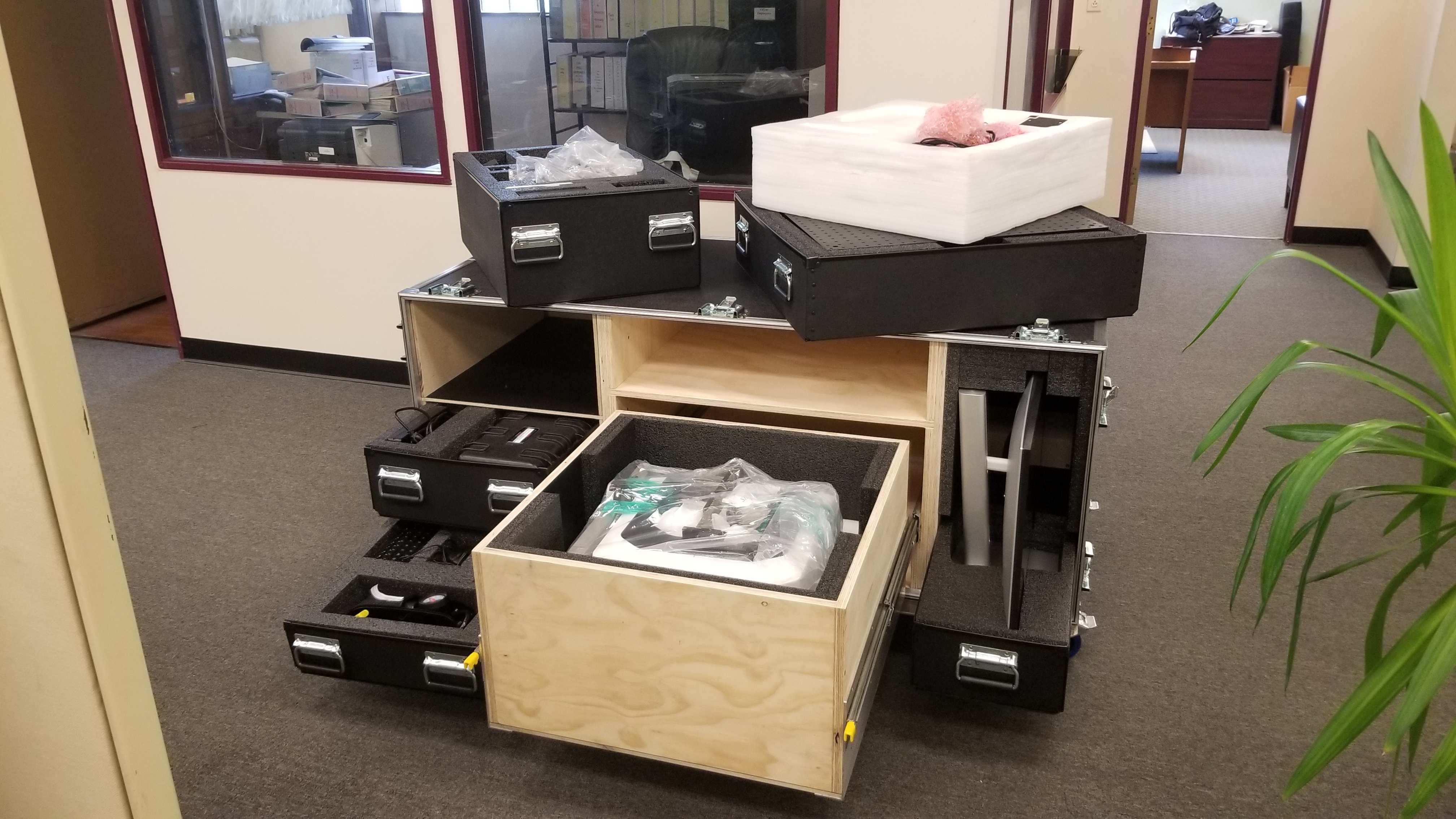
Field technicians, repair professionals, installers, and service teams often need to move tools from one work area to another throughout the day. A rolling tool case keeps equipment together while making it easier to move between vehicles, facilities, and job sites.
The right case is more than a place to store tools. Its wheels, handles, interior organization, and construction can all affect how efficiently equipment is transported, accessed, and repacked. For teams that regularly work in the field, those details can make a noticeable difference in the daily workflow.
Why Use a Rolling Tool Case for Field Work?
Field equipment may move several times before a job is complete. Tools can travel from a storage area to a vehicle, from the vehicle to a customer location, and through multiple areas within a facility.
Carrying several separate tool containers can make that process cumbersome, especially when the equipment is heavy or frequently used. A rolling case allows tools and accessories to travel together in a more organized setup.
Case Design Corporation offers tool boxes designed for portability and job site use, along with other case configurations for equipment that needs to travel regularly.
A rolling configuration can be useful for carrying items such as:
- Hand tools
- Diagnostic instruments
- Measuring equipment
- Replacement components
- Cables and accessories
- Specialized field equipment
The best configuration depends on the equipment itself and how it will be used.
How Wheels Can Improve Equipment Handling
One of the biggest differences between a traditional carrying case and a rolling tool case is how the equipment is moved.
Wheels can reduce the amount of carrying required when tools need to travel across a facility or job site. OSHA guidance on material handling recommends considering factors such as load weight, wheel condition, wheel size, flooring, and handle position when equipment is moved manually. OSHA also notes that appropriately selected wheeled equipment can reduce the amount of force required to move materials.
This makes wheel and handle selection an important part of choosing a case rather than simply an added convenience.
For example, the Case Design 919 Case Shipper includes built in steel housing wheels and a telescoping handle on applicable sizes. Its molded polyethylene construction is intended for equipment that needs a durable, mobile shipping case.
Teams should still consider the complete loaded weight, travel surface, lifting requirements, and frequency of movement before selecting a case.
Keep Tools Organized at the Job Site
Moving equipment efficiently is only part of field work. Technicians also need to find and return tools quickly once they reach the work area.
A large case without an organized interior can still create delays if smaller tools, accessories, and components become mixed together during transportation.
Depending on the application, an interior may use:
- Custom case foam
- Dividers
- Compartments
- Trays
- Pockets
- Dedicated spaces for individual components
Custom foam is particularly useful when tools or instruments need assigned positions within the case. It can help limit movement during transportation while making missing components easier to identify before leaving a job site.
Case Design offers customized interiors across several of its carrying and shipping case options. Its molded carrying cases, for example, can be customized with die cut foam inserts, while the 919 Case Shipper can be supplied with a custom foam interior.
For field teams, this allows the case to function as both transportation equipment and an organized working system.
What Should You Look for in a Rolling Tool Case?
Equipment Size and Weight
Start with the dimensions and total weight of the tools that will be stored inside the case.
A case that moves easily when empty may behave differently once fully loaded. Case size, wheel configuration, handles, and construction should all account for the final loaded condition.
Wheels and Handles
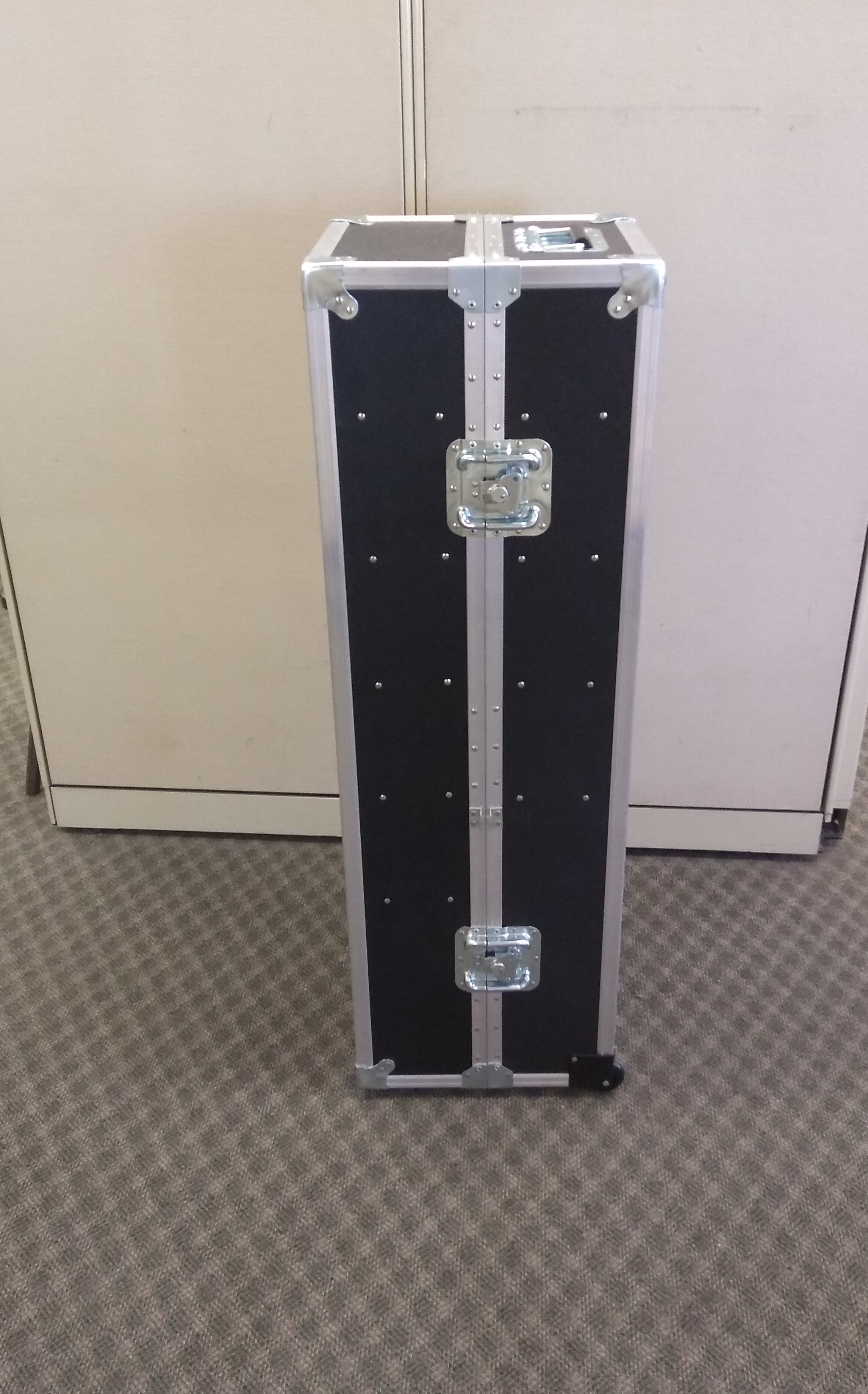
Consider the surfaces the case will cross and how frequently it will be moved. OSHA notes that wheel type should match the flooring or terrain and that poorly maintained or unsuitable wheels can increase the force needed to move equipment. A case that moves mostly across finished floors may have different requirements from one that regularly crosses uneven job site surfaces.
Interior Organization
The interior should reflect how technicians actually use their equipment.
Frequently used tools should be accessible without requiring the entire case to be unpacked. Sensitive instruments may need fitted foam or another form of interior support to control movement.
Transportation Method
Consider what happens before and after the case reaches the job site.
A technician who only moves tools between nearby work areas may need a different case than a team shipping equipment between facilities or transporting it regularly in commercial vehicles.
Case Design offers stock hard cases that include tool boxes, carrying cases, wheeler cases, molded shipping cases, and other configurations for different transportation needs.
When Does a Custom Case Make Sense?
Stock cases can work well when the equipment fits an existing size and configuration. A custom case becomes more useful when the tools, transportation requirements, or workflow cannot be accommodated effectively by a standard option.
A custom configuration may be worth considering when:
- Several specialized tools need to travel together
- Equipment has unusual dimensions
- Sensitive components require fitted protection
- A specific wheel or handle configuration is needed
- Multiple technicians need consistent tool layouts
- Equipment is frequently transported between locations
Case Design’s custom equipment case design process considers factors including equipment dimensions, weight, transportation method, materials, interior protection, and handling requirements. The company manufactures both stock and custom carrying solutions at its Telford, Pennsylvania facility.
Choose a Case Around How Your Team Works
A rolling tool case should make it easier to transport, organize, and access the equipment needed in the field.
Before choosing a case, consider the tools that need to travel, their total loaded weight, how often the case will move, the surfaces it will cross, and how technicians need to access equipment once they arrive. Case Design Corporation provides stock and custom case solutions for people and products on the move, including tool boxes, wheeled cases, custom hard cases, and custom interiors. Teams with specialized equipment can explore Case Design’s available case options or discuss a custom configuration built around their equipment and field workflow.